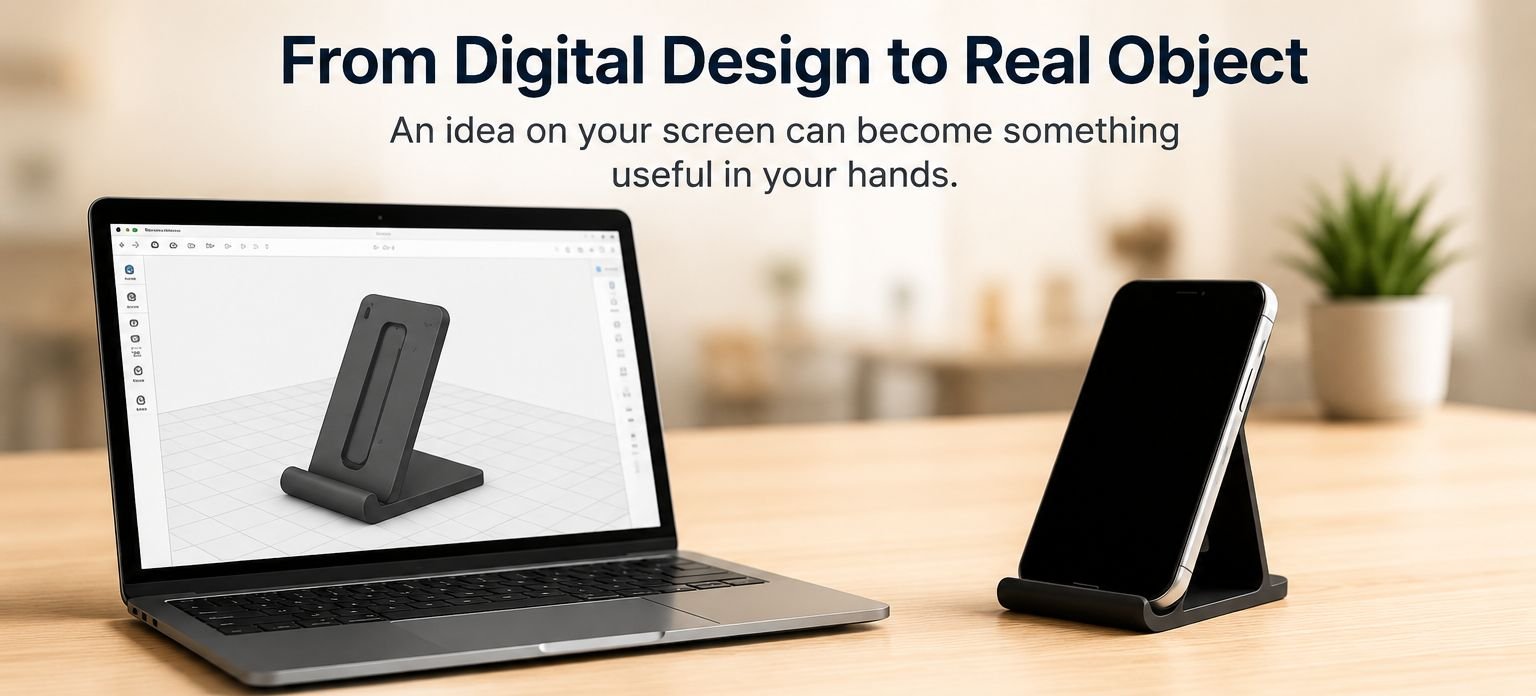
- 3D Printing is a way of turning a digital design into a real, physical object. Unlike traditional manufacturing, where material may be cut, drilled, or shaped to create an object, a 3D printer builds an object layer by layer. You can think of it like building something with hundreds or thousands of very thin slices stacked on top of each other. For example, if you design a phone stand on your computer, a 3D printer can take that design and gradually build it until you have a physical phone stand that you can actually use. This makes 3D printing useful for everything from simple household items and toys to engineering prototypes, tools, sculptures, and custom parts.
- How Does 3D Printing Work?
- The process usually starts with a 3D model, which is a digital representation of the object you want to make. You can create your own model using 3D modeling software such as Fusion, SolidWorks, Blender, or Tinkercad, or download an existing model from an online 3D model library. The model is then imported into a slicer. A slicer is software that converts the 3D model into instructions that the printer can understand. It divides the model into many thin layers and determines things such as how much material to use, how fast to print, how hot the printer should be, and where the printer should move. The resulting instructions are then sent to the 3D printer, which creates the object one layer at a time.
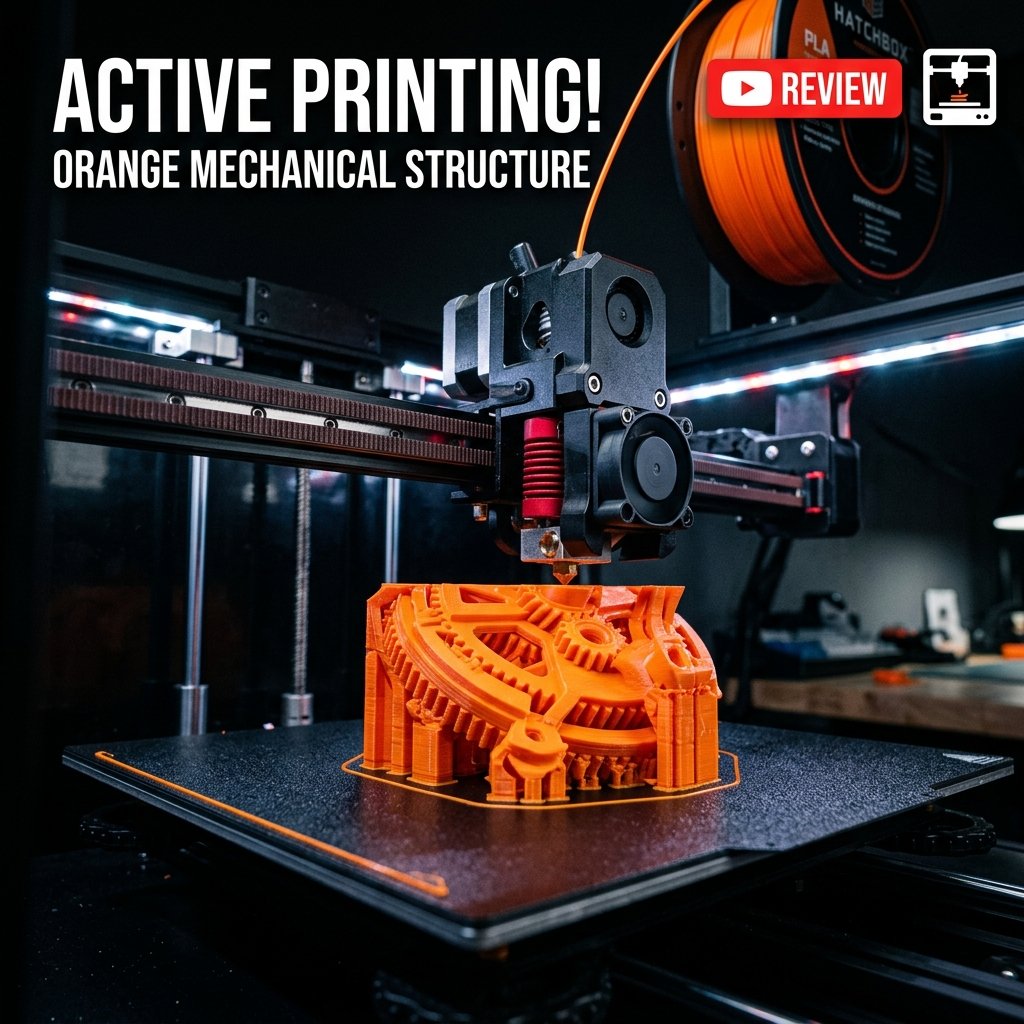
- There are several different types of 3D printing technologies, but beginners will most commonly encounter FDM and resin printing. FDM, or Fused Deposition Modeling, melts plastic filament through a heated nozzle and deposits it layer by layer. It is popular because it is relatively affordable, easy to understand, and suitable for making larger functional objects. Common FDM materials include PLA, PETG, ABS, ASA, TPU, and Nylon. Resin printers, which commonly use technologies such as MSLA, work differently. Instead of melting filament, they use UV light to harden liquid resin layer by layer. Resin printing is particularly useful when you need fine details and smooth surfaces, such as miniature figures, jewelry prototypes, dental models, and detailed sculptures.
- What Can You Make With a 3D Printer?
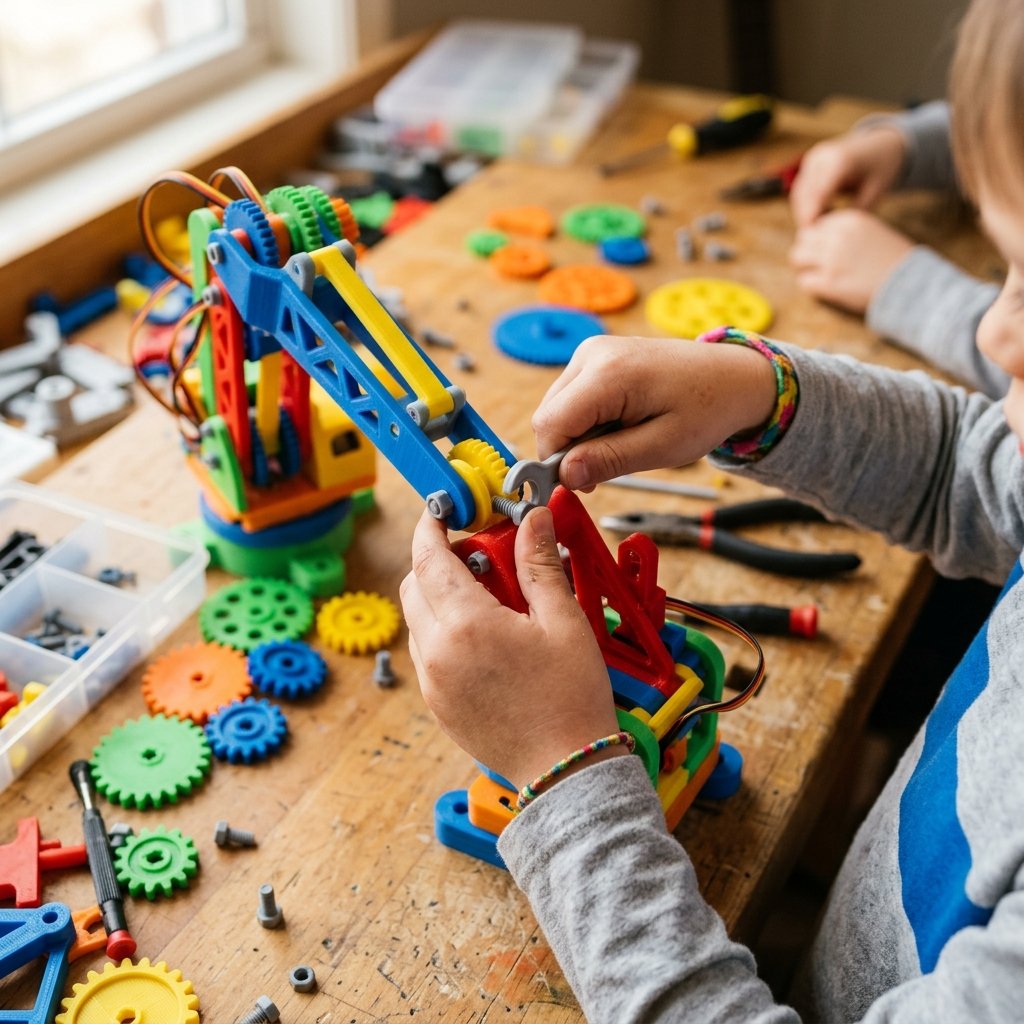
- One of the most exciting things about 3D printing is the freedom to make objects specifically for your needs. You can print something as simple as a keychain or phone stand, or something more complex such as a replacement machine part. Makers use 3D printers to create tools, organizers, toys, sculptures, architectural models, cosplay props, prototypes, educational models, and custom accessories. Businesses can also use 3D printing to quickly create prototypes before investing in expensive manufacturing. For example, instead of producing hundreds of a new product design immediately, a company can print a few prototypes, test them, make changes to the design, and print improved versions.
- Choosing Between FDM and Resin Printing
- The right printer depends on what you want to make. If you want to print phone stands, organizers, replacement parts, brackets, tools, cosplay accessories, or large decorative objects, an FDM printer is usually a good starting point. For example, you could print a custom cable organizer using PLA or a strong mechanical bracket using PETG. If your main goal is printing small figurines, miniatures, highly detailed models, or objects with very fine features, a resin printer may be more suitable. Resin printers can produce extremely detailed surfaces, but they also require additional steps such as washing and curing the printed parts, and liquid resin needs to be handled carefully.
- Your First 3D Print
- For your first print, it is best to start with something simple rather than immediately attempting a large or complicated model. A small calibration cube, simple keychain, phone stand, or basic organizer can help you learn how your printer behaves. Start with the material and settings recommended by your printer or filament manufacturer. Make sure the print surface is clean, the build plate is properly leveled or calibrated, and the filament or resin is prepared correctly. Once you become comfortable with the basic process, you can gradually experiment with different materials, layer heights, speeds, infill patterns, and more advanced settings.
- Most importantly, 3D printing is a learning process. Your first print may not be perfect, and that is completely normal. You may encounter problems such as stringing, warping, poor bed adhesion, layer shifting, or failed prints. Instead of seeing these as failures, think of them as part of learning how your printer works. With some experimentation and practice, you will learn how to identify these problems and adjust your settings accordingly. The real advantage of 3D printing is that an idea does not have to remain only an idea on a screen or in your imagination—you can design it, print it, test it, improve it, and eventually turn it into a real object.
Beginner's Guide
Guide
Introduction to 3D Printing